Children ages 0–17 worldwide had lost one or both parents in 2025.
UNICEF · 2025 estimate →THE ORPHAN FOUNDATION · A NEW CHAPTER
More paths to family.
More support
for life.
The Adoption Center of Excellence is a plan to put AI to work for children waiting for families, parents navigating adoption, and young people leaving foster care.
Proposed initiative · Projects in planning
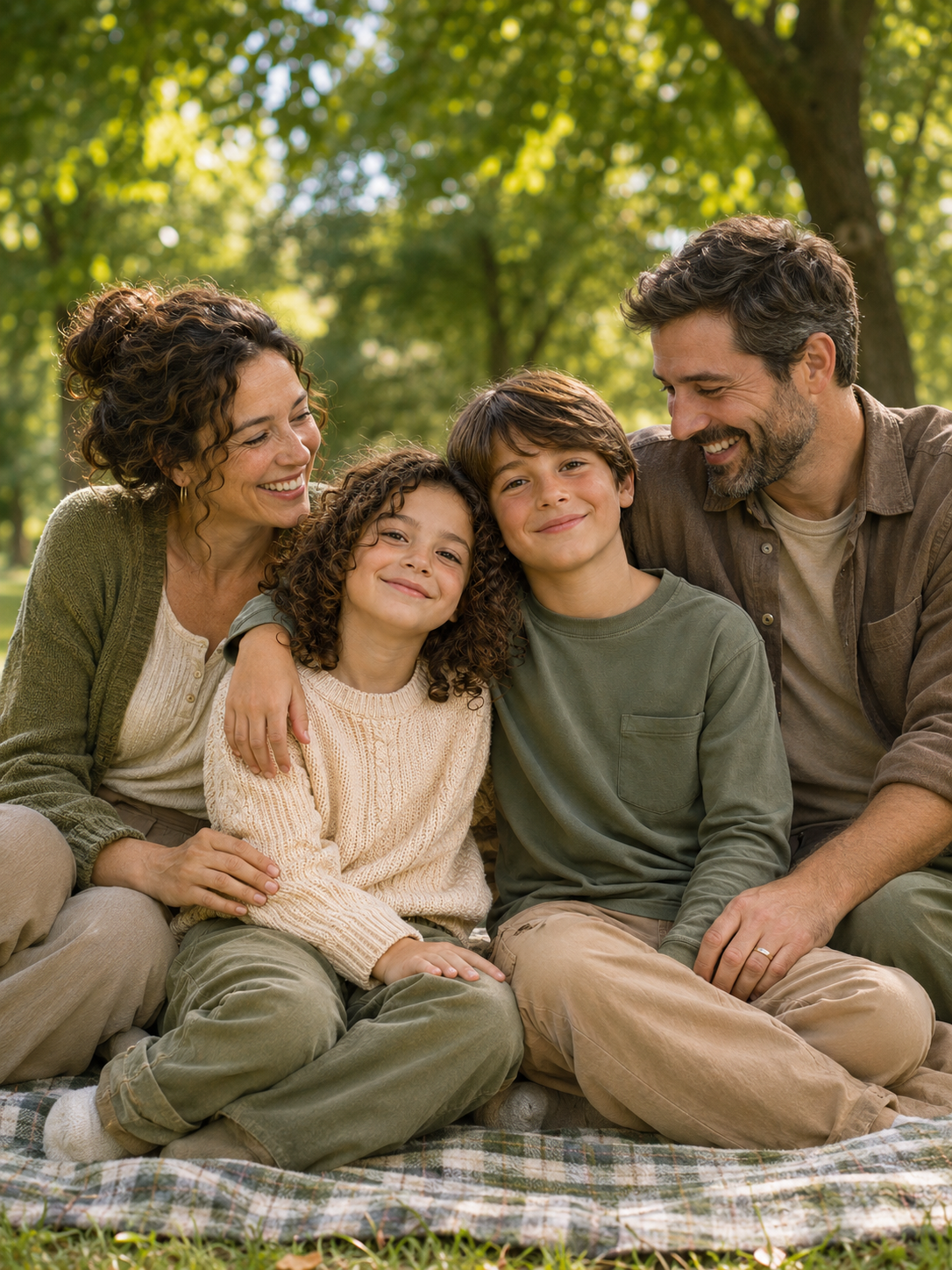
Technology with a human purpose.
AI supports families and professionals. People always make placement decisions.
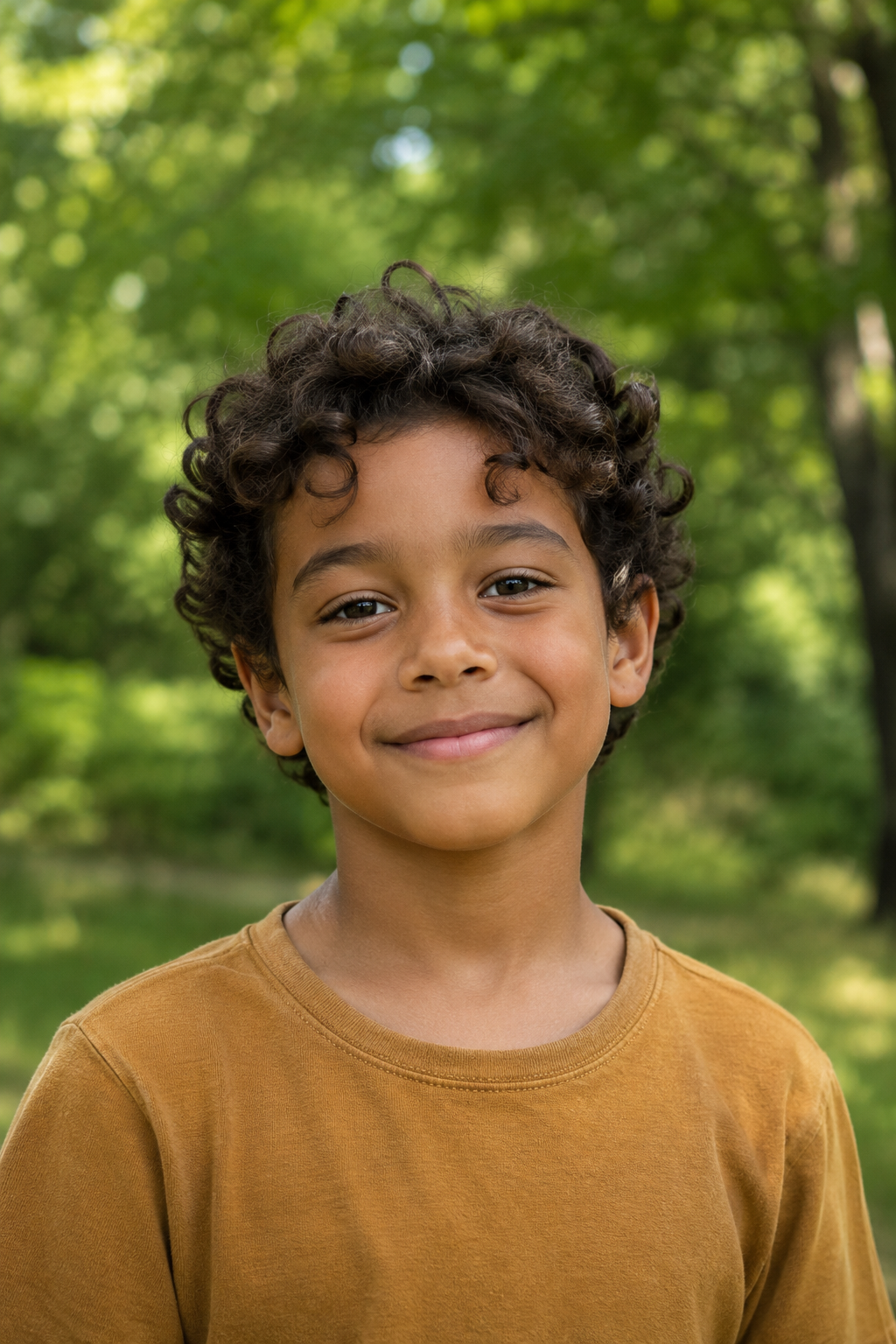
Every number represents a child with a story.
AI-generated illustration · Not an actual beneficiaryTHE CHILDREN BEHIND THE MISSION
The need is immense.
Each child matters.
Children need safe, lasting family connections—and support that continues as they grow. These figures help explain why our work reaches beyond the adoption process.
Young people aged out of U.S. foster care without a permanent family in 2023.
NCFA · 2023 data →Children are estimated to live in residential care worldwide.
UNICEF · global estimate →“Orphan” means a child who has lost one or both parents; it does not mean that every child is without family or available for adoption. Most children in residential care have a living parent or close relative. These figures describe different populations and years and should not be added together.
WHY THIS CENTER
Support that reaches
every stage of the journey.
Building on The Orphan Foundation’s work to make adoption more affordable, this plan addresses the barriers before adoption—and the support needed long after.
Faster, fairer
adoptions.
Reduce the paperwork, costs, and delays that keep children waiting and families from moving forward.
Stronger adoptive
families.
Give parents practical help before and after adoption, with connections to qualified people when they need more support.
A supported start
to adulthood.
Help young people who leave foster care without being adopted find resources for housing, education, work, and daily life.
STARTING WITH TWO PRACTICAL NEEDS
A clearer path.
A more affordable start.
The plan begins with two tools that help families take their next step. Each would have its own fundraiser, so supporters can choose the work that matters most to them.
Proposed campaign goals include an approximately 4% fee buffer. Campaigns are not yet linked or accepting project-specific donations here.
See the funding plan ↓FIRST TO LAUNCH01
Adoptive family navigator
A planned 24/7 chat and voice helper to explain adoption paths, find licensed agencies, and connect families with human help.
$78,000proposed campaign goal
FIRST TO LAUNCH02
Grant and cost finder
A planned guide to adoption grants from other organizations, loans, employer benefits, subsidies, and tax credits, with help tracking applications.
$62,400proposed campaign goal
THE PROJECT PORTFOLIO
Ten ways to make
a lasting difference.
Explore what each proposed tool would do, whom it would help, and what funding would make possible.
Which projects could make the greatest impact?
Tap a heart to give a project one vote. You have five votes to spread across any projects—or give all five to one. Use Undo to adjust your choices.
Loading your votes…See the front runners ↓
Showing all 10 planned projects
All projects are proposed. Budgets are first-year planning estimates, and timelines are estimates to a first version—not confirmed delivery dates.
LET THE COMMUNITY HELP SET THE PRIORITIES
Which projects are leading?
Your votes help us understand where visitors see the greatest potential impact. The chart shows shared vote totals, ranked from most to fewest.
Results refresh automatically. Equal vote totals are ties; tied projects appear in project-number order. Community preferences help inform launch decisions alongside feasibility and funding.
Five votes per browser, with no sign-up required and no cap on participants. A first-party cookie remembers your allocation for up to one year. Clearing cookies or using another browser or device can allow another ballot. This is an informal community poll, not a verified agency survey.
Give your five votes ↑HUMAN GUIDANCE. RESPONSIBLE AI.
Built with the people
it is meant to serve.
Every project is intended to include adoptees, former foster youth, adoptive parents, and child welfare professionals in its design and review.
Help shape the work →People remain in charge
Caseworkers and qualified teams review recommendations. AI never makes placement decisions.
Privacy is part of the design
Protect private records, limit access, and remove sensitive details from public child profiles.
Review before wider use
Pilot with agency partners, review answers with professionals, and test for accuracy and fairness.
A connection to real people
Complex and urgent concerns need human support. Tools are designed to help people reach appropriate professionals and local services.
A TRANSPARENT FUNDING PLAN
Choose a project.
Help make access possible.
The proposal calls for 10 separate GoFundMe campaigns, launched in stages. Final budgets and campaign links will be added after launch preparation.
$1,505,000Total estimated first-year project budgets
$1,565,200Combined proposed campaign goals, including fee buffer
Help families begin
Family navigator
Grant and cost finder
Remove barriers
Paperwork helper
Aging-out life coach
Post-adoption parent coach
Strengthen connections
Child profile builder
Family matching assistant
Life story and records keeper
Sustain support
Mentor match
Placement stability early warning
View every project budget and campaign goal +
| Project | First-year estimate | Campaign goal | First version |
|---|
Planning figures from the November 5, 2026 proposal. Actual quotes, fees, and timing must be confirmed before launch.
ACCESS THAT PUTS FAMILIES FIRST
Donor-funded.
Open to those who need it.
Our goal is to keep the tools free for families and youth for as long as funding lasts. Eligibility would never depend on making a donation.
Families & youth
Planned free access while donor funds last, including adoptive, foster, and kinship families and youth who have aged out.
Group homes & adoption agencies
Free during pilots and while funds last, followed by a planned low yearly fee.
State agencies & large organizations
Planned paid annual licenses to help sustain free access for families and youth.
HELP BRING THE PLAN TO LIFE
There is a place for you
in this work.
Sponsors, agency partners, and people with lived experience can help turn these plans into useful, trusted tools.
Support a tool.
Companies, foundations, and community groups can help fund a tool’s free access for a defined period, with acknowledgment of their support.
Shape a pilot.
Licensed adoption agencies and child welfare professionals can help review information, test tools, and guide responsible implementation.
Bring your experience.
Adoptees, former foster youth, and adoptive parents can help ensure the tools respond to real needs. Pilot participation will be open regardless of donations.
THE ORPHAN FOUNDATION
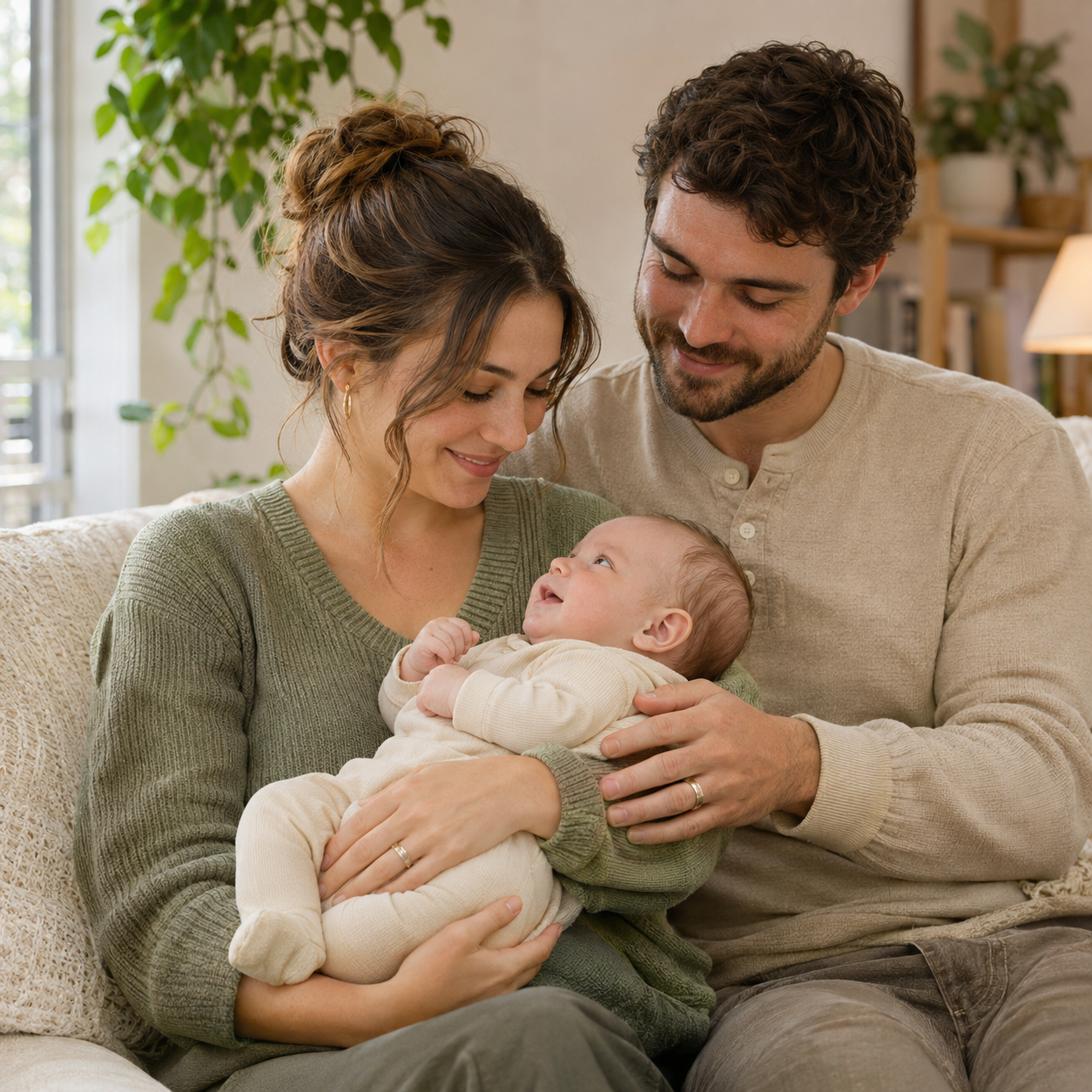
Helping bring children
and families together.
Based in Pinal County, Arizona, The Orphan Foundation is focused on helping children and families through the proposed Adoption Center of Excellence. The plan brings practical AI support to families navigating adoption, parents supporting their children, and young people leaving foster care.
The Orphan Foundation is a 501(c)(3) nonprofit organization. EIN: 20-8201228.
General donations support the Foundation’s work. The proposed Center project campaigns will have their own links when launched.
LET’S MAKE A DIFFERENCE
A conversation today.
A possibility tomorrow.
For agency partnerships, sponsorships, volunteer interest, or questions about the proposed Center, reach our team directly.
EMAIL THE ORPHAN FOUNDATIONinfo@theorphanfoundation.org
Please keep your first message general. Do not include children’s private records or sensitive case information.
Start a conversation →A FEW HELPFUL ANSWERS
What to know
as we get started.
Are the AI tools available now?
No. This site presents the proposed project portfolio. Pilot dates, demonstrations, and live tool links will be added as projects are developed.
Can I donate to a specific project today?
Project-specific GoFundMe campaigns are planned but are not linked here yet. The Foundation’s existing donation link supports its general work; it does not designate a gift to one of these proposed projects.
Will donors receive special tool access?
No. The plan makes access available to eligible families and youth regardless of whether they donate. Sponsors would receive acknowledgment, rather than special access for beneficiaries.
How will progress be shared?
The plan calls for updates at least every two weeks after fundraising launches, with milestones, tool status, and information about how long free access is funded.
What needs to happen before launch?
Confirm the funding and nonprofit arrangements, obtain project quotes, recruit advisors and professional reviewers, and establish an agency pilot partnership. The family navigator and grant finder are the first proposed campaigns.